Thai coffee from Northern Thailand
Meet the places behind the coffee. Ask about the lot behind each offer.
White Canopy sources through farms and production partners in Chiang Mai and Chiang Rai. Each offered lot has its own origin, process, availability, and quality information. We share what can be verified for that coffee, rather than treating every farm or harvest as the same.
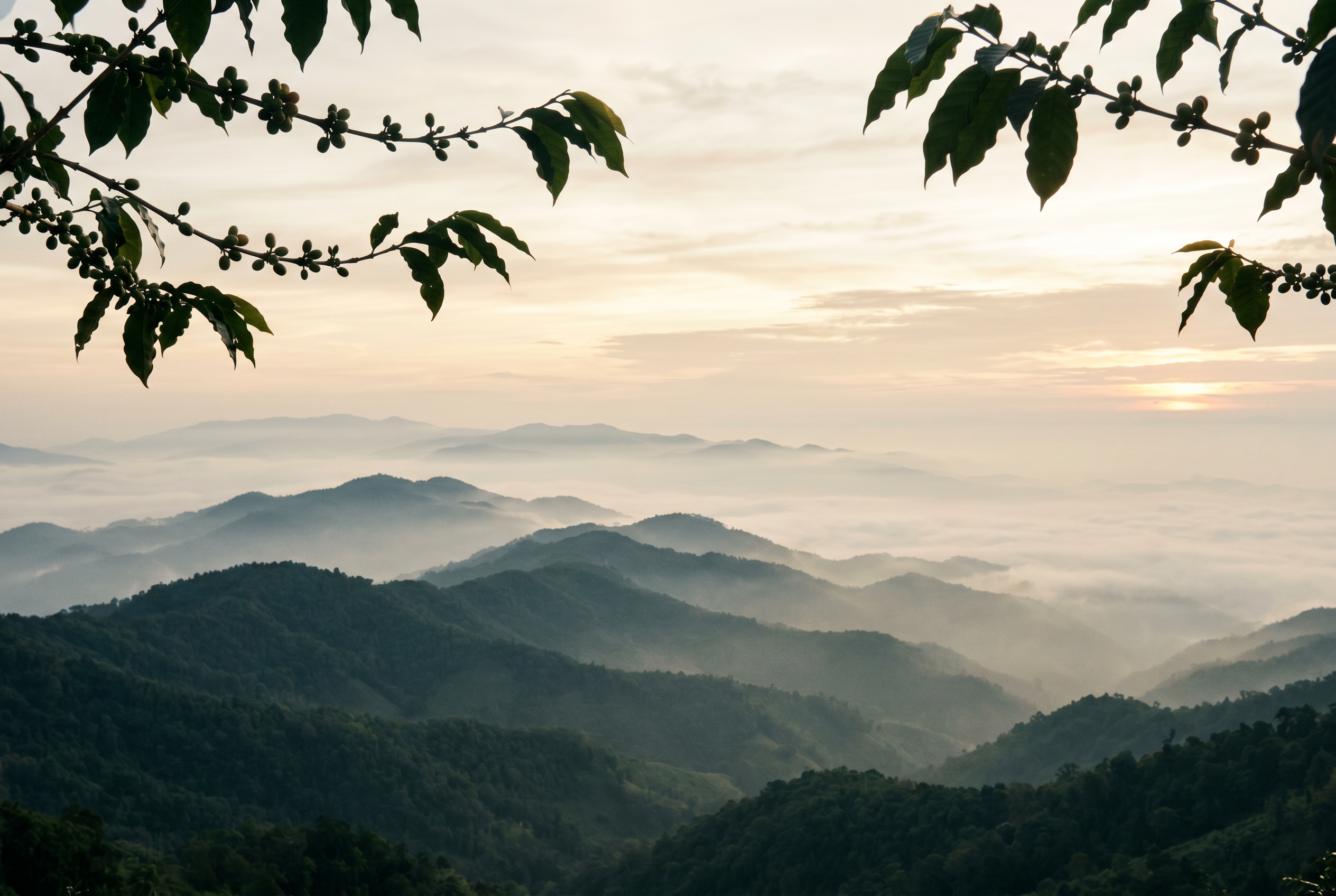
Where we look for coffee
Chiang Mai and Chiang Rai are the Northern Thai sourcing areas we can discuss. The exact producing community or farm is supplied when it is documented for an offered lot.
Chiang Rai
Doi Chang is one of the known coffee-growing areas in Chiang Rai. Ask us which current offers come from there and what origin records are available for them.
Chiang Mai
Chiang Dao is a named Chiang Mai sourcing area. Specific farm identity, process, harvest details, and available quantity depend on the individual offer and what our partners can document.
The details belong to each lot
Elevation, shade cover, variety, harvest timing, and drying method can differ between farms and seasons. Rather than attaching one set of figures to Northern Thailand, we confirm these details against the current coffee's records.
If your buying decision depends on a particular process, traceability level, or quality standard, include it in your brief. We can check whether an available lot meets it before you discuss samples or terms.
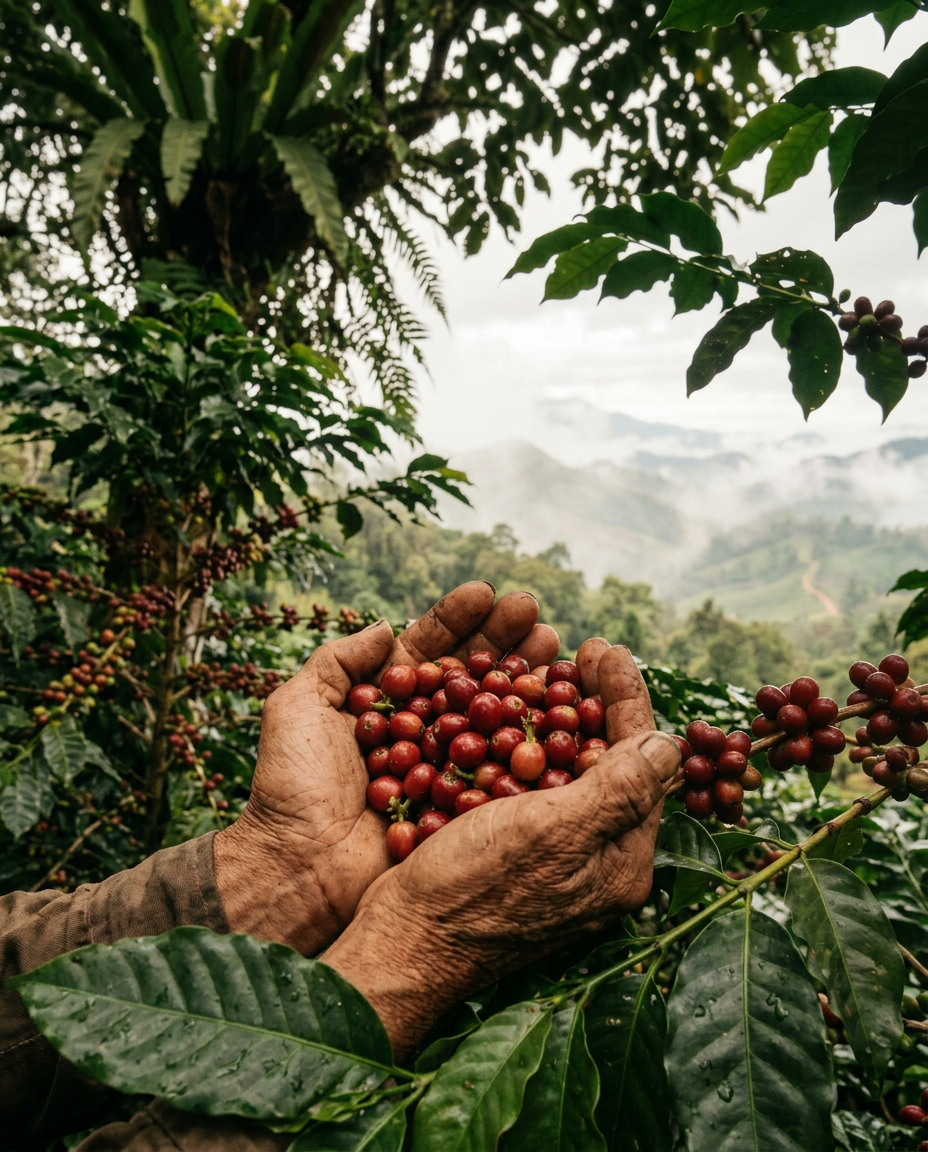
Working with farms and production partners
Sourcing can involve growers and production partners. The chain, roles, and records for an offer should be checked before anyone makes a farm-specific claim.
Begin with the brief
Tell us the coffee profile, quantity, destination, and timing you need. We can identify options worth reviewing.
Check the origin record
We confirm the producer and place details available for the coffee being offered. Named growers or farms are shared publicly only with the right records and consent.
Review quality information
Processing, sample options, QC records, and tasting information are specific to a lot and its current availability.
Agree the terms
Price, documentation, Incoterms, and shipping depend on the offer and destination. We confirm them before an order is agreed.
Ask for the coffee's own story
Northern Thailand is an origin, not a single flavor or farm method.
A useful buying conversation starts with the actual coffee. Request its available origin and quality records, then compare those details with your roast plan and market needs.
What to check in a green coffee offer
The following questions help buyers assess an individual lot. They are not a claim that every available coffee follows one production method.
- 01
Origin and producer
Which area does the coffee come from, and what producer information is documented and shareable?
- 02
Harvest and processing
What is the dated harvest or crop year, and which process was used for this lot?
- 03
Drying and preparation
What records exist for drying, moisture, grading, and preparation, where those details matter to your buying decision?
- 04
Quality review
Are there recent tasting notes, quality records, or samples for the coffee currently offered?
- 05
Availability
How much of the lot is available, and when could it be offered for your intended market?
- 06
Export terms
Which documents, Incoterms, and shipping steps apply to the specific destination and agreement?
Ask about a current Northern Thai lot
Tell us what you roast, your destination, and roughly how much you need. We'll check available offers and the records and terms for each lot.